

PFAS & Emerging Contaminants
Separate and destroy “forever chemicals” and micropollutants to meet the new generation of water-quality limits.
Overview
Per- and polyfluoroalkyl substances (PFAS) — the so-called “forever chemicals” — along with pharmaceuticals, pesticides, endocrine disruptors, 1,4-dioxane and microplastics are increasingly found in water sources and industrial effluents. Regulators in Europe, North America and beyond now set limits measured in nanograms per liter, and utilities and industrial dischargers alike need proven ways to comply.
Because the carbon–fluorine bond makes PFAS extremely persistent, we take a treatment-train approach: characterize the water, separate PFAS with granular activated carbon, PFAS-selective ion exchange or high-pressure membranes, then manage the concentrated residual by destruction or safe disposal. For other emerging contaminants, advanced oxidation processes break down the molecules themselves.
How it works
Treatment train
-
 01
Characterize
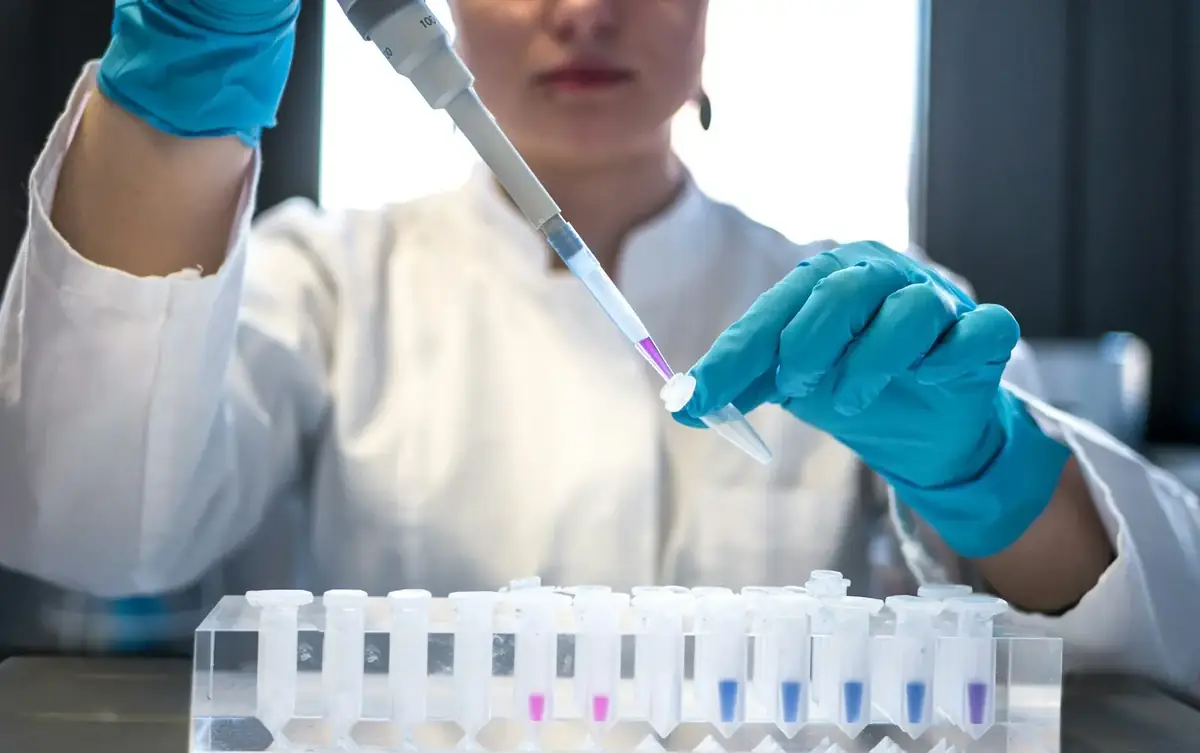
Analysis of PFAS species, co-contaminants and background water chemistry to select the most cost-effective process.
-
 02
Separate
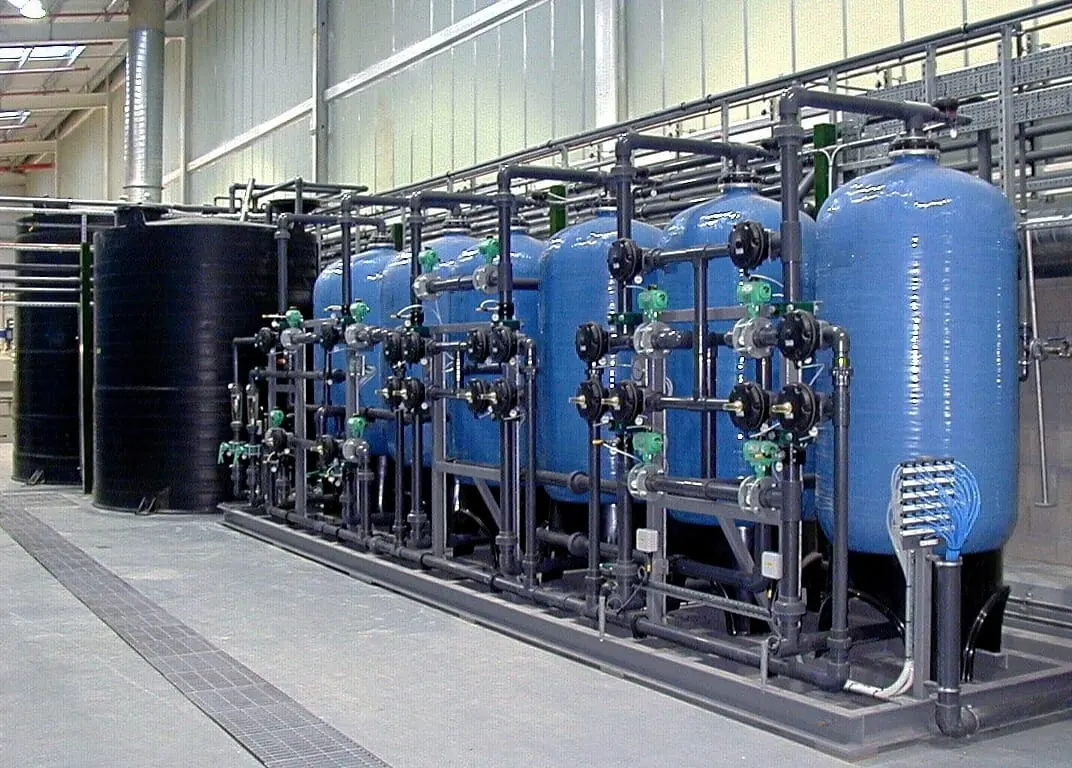
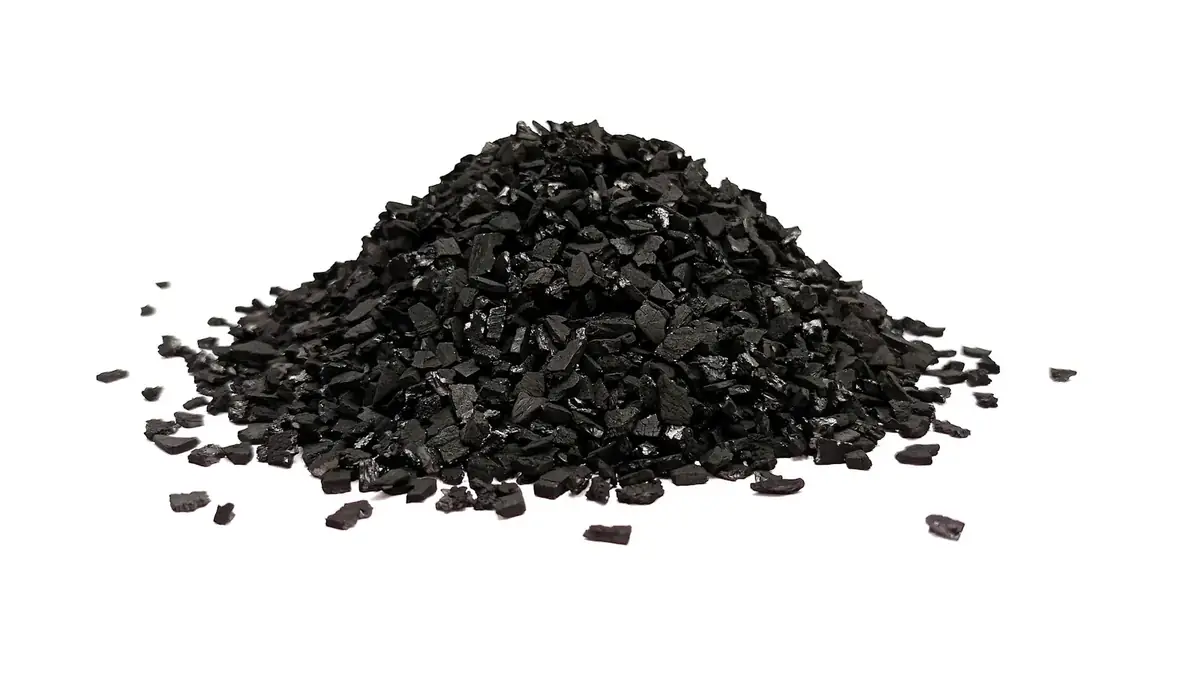
Granular activated carbon, PFAS-selective ion exchange resins or nanofiltration and reverse osmosis capture PFAS down to very low ng/L levels.
-
 03
Concentrate
Regenerable media and membrane concentrates reduce the PFAS-laden residual to a small, manageable volume.
-
 04
Destroy
Residual concentrates are routed to destruction or safe disposal, while advanced oxidation processes eliminate co-occurring organic micropollutants.
Technologies
Technologies we apply
Each project combines the processes best suited to the water, the target quality and the site.
Let’s work together
Sustainable water & energy for the future — starting with your project.
From consulting and strategy development to implementation and support, our team is ready to offer the most efficient solution for your site.