

Waste-to-Energy
Turn the organic load in industrial wastewater and sludge into biogas, electricity and heat — cutting treatment costs and emissions at the same time.
Overview
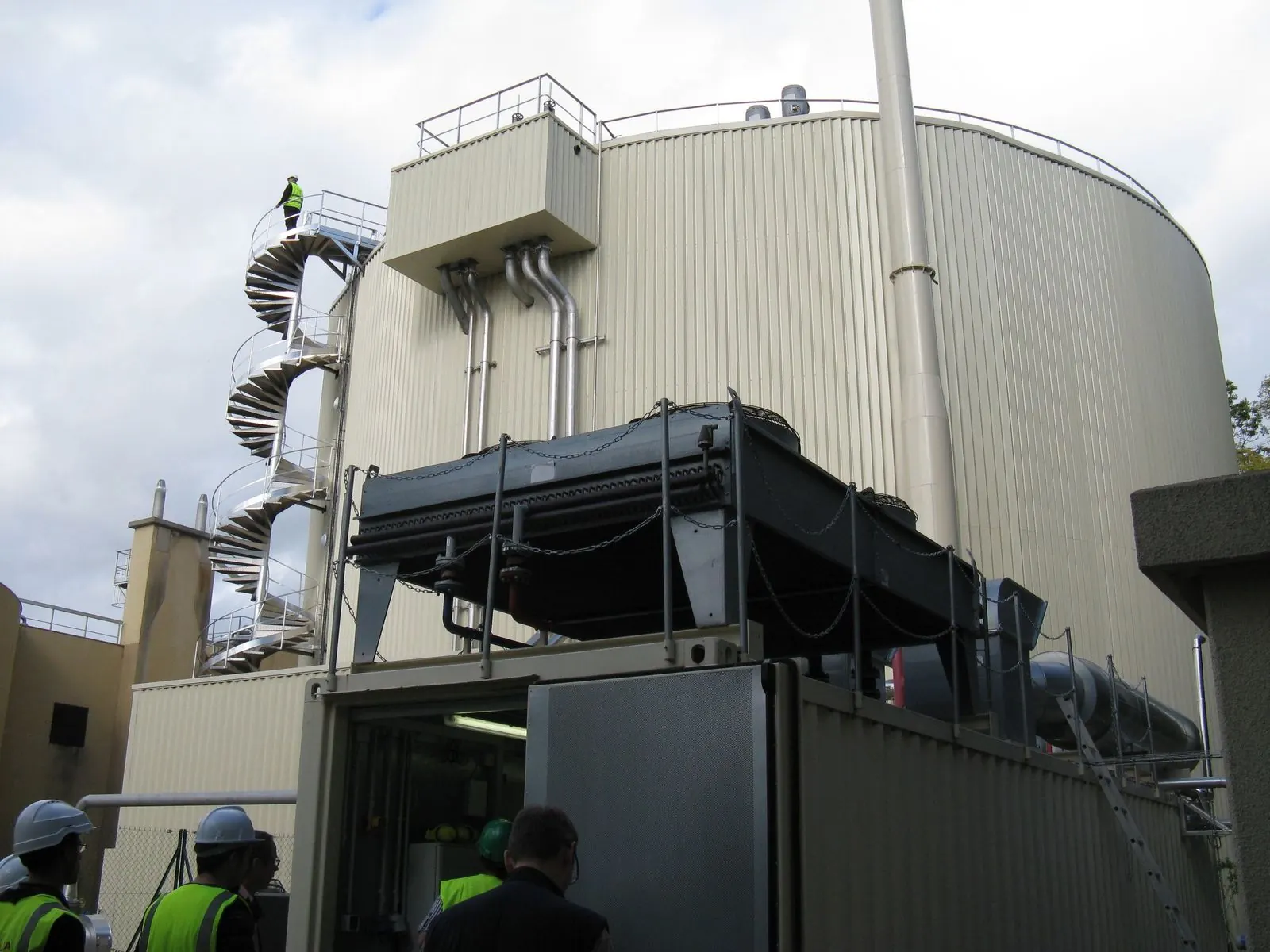
Many industrial effluents — from food, dairy, beverage, sugar, starch, edible oil, paper and bio-ethanol production — carry a high organic load. Treated aerobically, that load costs energy to remove and leaves large volumes of sludge. Treated anaerobically, it becomes a resource: microorganisms convert the organic matter into methane-rich biogas that can replace natural gas or fuel combined heat and power (CHP) units on site.
We design complete waste-to-energy systems around high-rate anaerobic reactors such as UASB, EGSB, IRC and anaerobic membrane bioreactors, together with pre-treatment, biogas handling and sludge treatment. Followed by aerobic polishing where discharge limits require it, the result is lower operating costs, less sludge, a smaller carbon footprint and a valuable source of renewable energy for the plant.
How it works
Treatment train
-
 01
Pre-treatment & conditioning
Screening, fat and solids removal by flotation, and equalization with pH and temperature control create stable feed conditions for the reactor.
-
 02
Anaerobic reactor
High-rate UASB, EGSB or IRC reactors — or an AnMBR for difficult streams — convert most of the organic load into methane-rich biogas.
-
 03
Biogas to energy
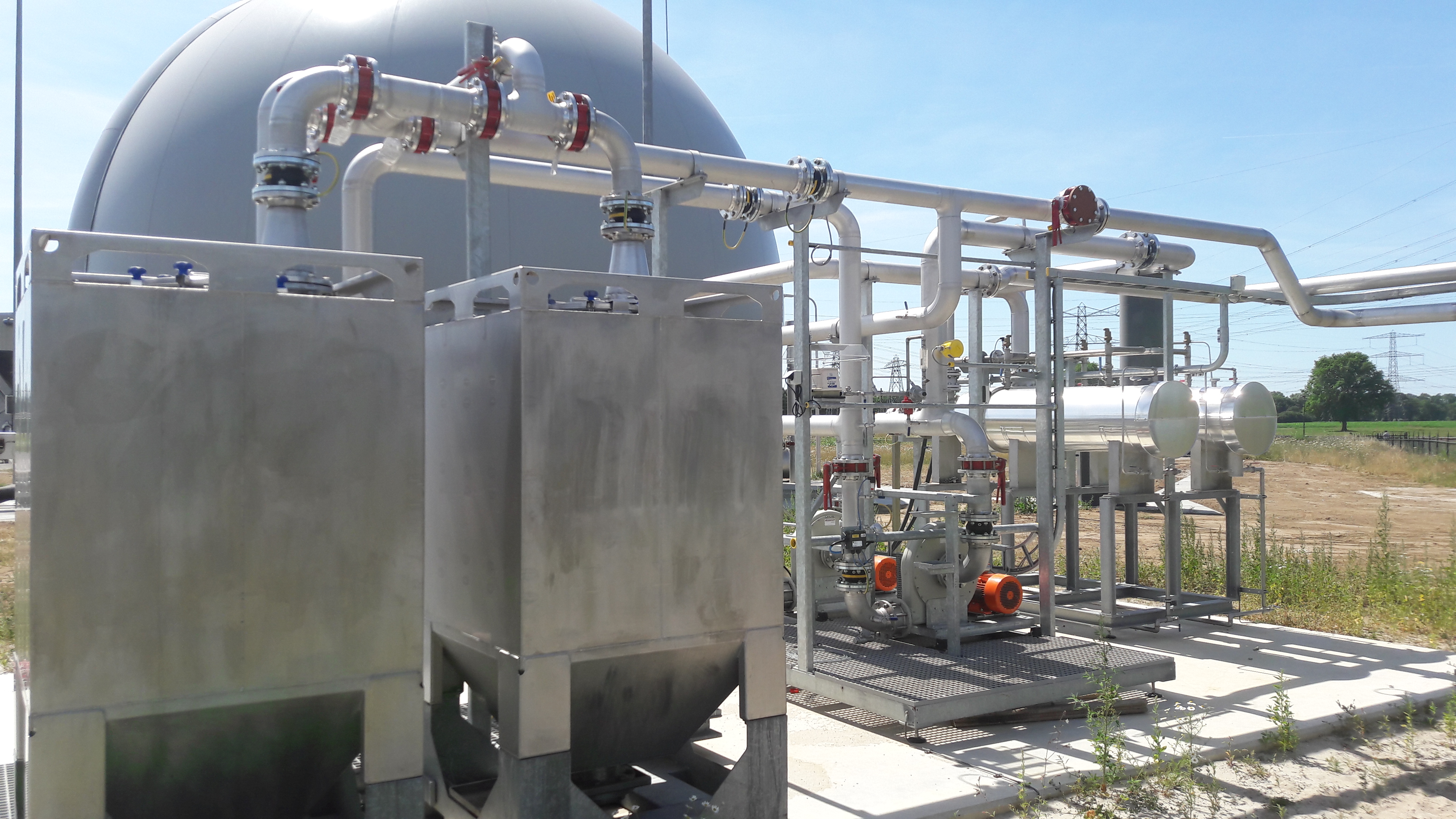
Biogas is stored, cleaned and used in boilers or combined heat and power engines to produce electricity and heat; a safety flare burns any surplus.
-
 04
Sludge treatment
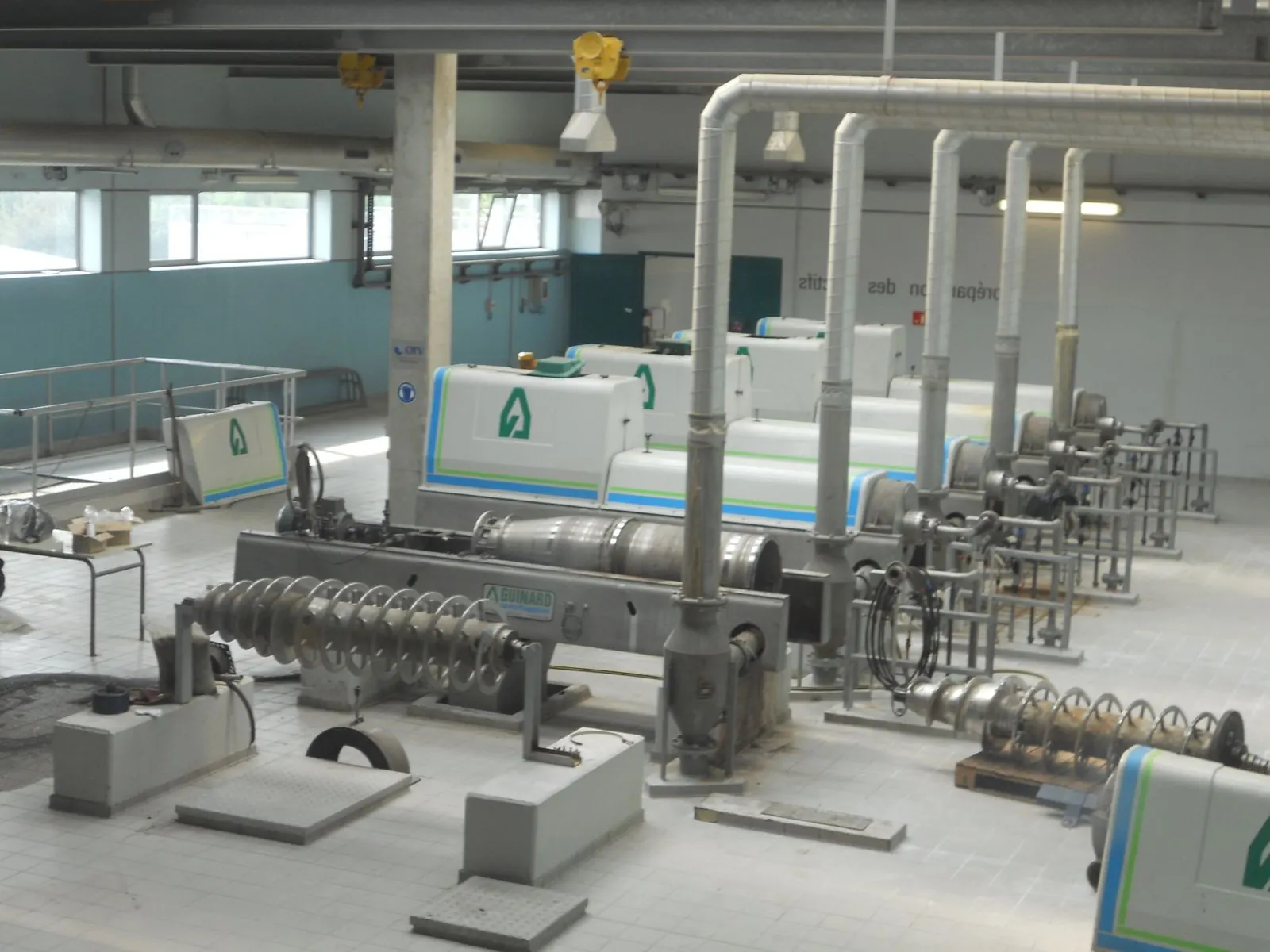
The small amount of excess sludge is thickened and dewatered, reducing disposal volumes and costs.
Technologies
Technologies we apply
Each project combines the processes best suited to the water, the target quality and the site.
Let’s work together
Sustainable water & energy for the future — starting with your project.
From consulting and strategy development to implementation and support, our team is ready to offer the most efficient solution for your site.