Technologies

Proven processes, next-generation performance

From pre-treatment and biological processes to advanced brine concentration and oxidation — technologies to match every water challenge.

Advanced treatment

Next-Generation Technologies

Advanced separation, brine-management and oxidation technologies that push recovery further, cut energy use and tackle the most difficult contaminants.

OARO

Osmotically Assisted Reverse Osmosis

Membrane-based brine concentration that uses a saline sweep stream to take reverse osmosis far beyond its conventional osmotic-pressure limit.

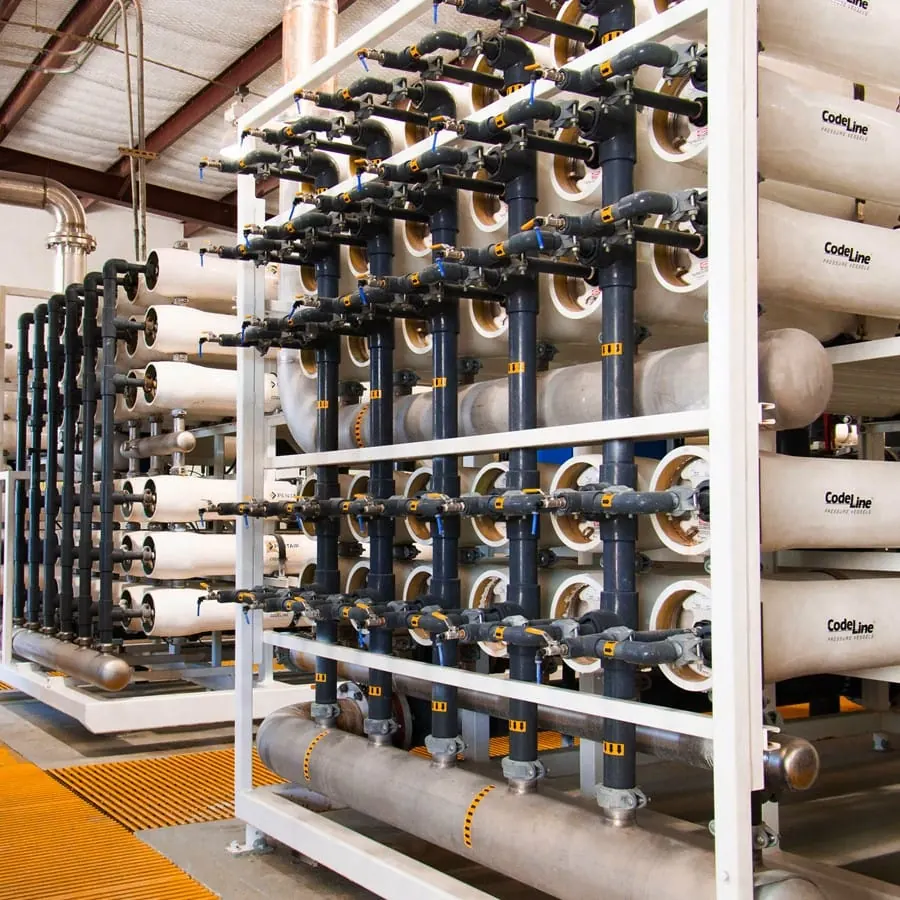
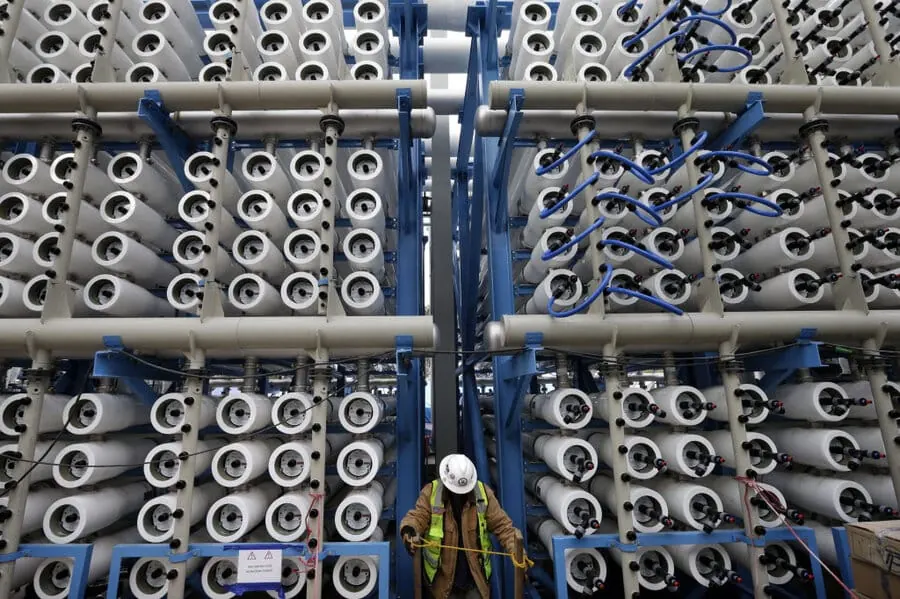
Conventional reverse osmosis becomes impractical once the brine’s osmotic pressure approaches the membrane’s pressure rating — around 70,000–80,000 mg/L TDS for seawater-grade systems. Osmotically Assisted Reverse Osmosis overcomes this limit by circulating a saline sweep solution on the permeate side of the membrane. Because the membrane only has to overcome the difference in osmotic pressure between feed and sweep, brines can be concentrated far beyond the conventional limit at standard RO operating pressures. Several OARO stages work in series, and the diluted sweep is returned through conventional RO to recover fresh water — at a fraction of the energy of thermal evaporation.

Benefits

  • Brine concentration well beyond conventional RO limits
  • Far lower energy demand than thermal brine concentrators
  • Modular, membrane-based design with a compact footprint
  • Shrinks the volume sent to crystallizers or evaporation ponds

Applications

  • MLD & ZLD
  • Desalination brine
  • Industrial RO reject
  • Produced water
  • Lithium & mineral brines
HDH

Humidification–Dehumidification

Thermal desalination that evaporates water into a carrier air stream and condenses it as distillate — recovering clean water from extremely saline and difficult brines.

In a humidification–dehumidification system, air acts as the carrier for water vapor. In the humidifier the air contacts hot brine and picks up pure water vapor, leaving salts and contaminants behind; in the dehumidifier the vapor condenses into high-purity distillate, and the released heat is recovered to preheat the brine. Because evaporation takes place at atmospheric pressure and below boiling temperature, HDH tolerates very high salinity and the scaling and fouling compounds that would quickly disable membranes or conventional evaporators — and it can run on low-grade heat such as waste heat or solar thermal energy.

Benefits

  • Treats brines up to near saturation
  • Robust against scaling, fouling and variable feed quality
  • Atmospheric pressure, below 100 °C, runs on waste or solar heat
  • High-quality distillate ready for reuse

Applications

  • ZLD brine concentration
  • Produced & frac water
  • Landfill leachate
  • Cooling tower blowdown
  • High-TDS industrial effluents
CCRO

Closed Circuit Reverse Osmosis

High-recovery reverse osmosis in which the concentrate circulates in a closed loop and the pressure follows the rising osmotic pressure, cycle by cycle.

In Closed Circuit Reverse Osmosis, pressurized feed enters a closed loop and the concentrate is recirculated through a single stage of membranes, while fresh feed continuously replaces the permeate produced. As the loop concentrates, the applied pressure rises gradually to match the osmotic pressure — instead of running constantly at the maximum pressure required by the last element of a conventional multi-stage array. Once the target recovery is reached, the concentrate is flushed out and replaced with fresh feed without interrupting production. The result is higher recovery, lower specific energy, and cyclic changes in salinity and flow that disrupt the formation of scale and biofilm.

Benefits

  • Significantly higher recovery than conventional multi-stage RO
  • Lower specific energy consumption
  • Reduced scaling and biofouling through cyclic operation
  • Recovery adjustable during operation for changing feed water

Applications

  • Brackish water
  • Wastewater reuse
  • Cooling tower make-up & blowdown
  • Boiler feed
  • MLD pre-concentration
SCR

Selective Contaminant Removal

Targeted removal of the specific contaminants that matter — without treating the entire water matrix.

Many water challenges are caused by a few specific constituents — silica, boron, hardness, heavy metals, selenium, ammonia, nitrate or trace organics — rather than total salinity. Selective Contaminant Removal combines engineered selective adsorbents, specialty ion-exchange and chelating resins, and targeted precipitation chemistry to remove only those contaminants. Treating just what matters lowers chemical and energy demand, protects downstream membranes and evaporators, and can turn recovered constituents into valuable products.

Benefits

  • Removes target contaminants to very low levels
  • Less chemical use, energy and waste than whole-stream treatment
  • Protects downstream RO, brine concentrators and crystallizers
  • Enables resource recovery, e.g. metals and lithium

Applications

  • Silica & hardness
  • Boron
  • Heavy metals & selenium
  • Mining & metals
  • Battery materials
  • MLD/ZLD pre-treatment
AOP

Advanced Oxidation Processes

A family of oxidation processes that generate highly reactive hydroxyl radicals to destroy persistent organic pollutants — selected to suit the water and the target compounds.

Advanced oxidation processes generate hydroxyl radicals in situ. The radicals react rapidly and non-selectively with organic molecules, breaking down refractory COD, color, odor, phenols, pharmaceuticals, pesticides and other micropollutants into smaller biodegradable compounds, or mineralizing them completely to carbon dioxide and water. The right process depends on the clarity and chemistry of the water, the target compounds and operating costs. AOP can polish effluent for discharge compliance, pre-treat difficult streams for biological treatment, or protect water reuse systems.

Processes

Ozone / hydrogen peroxide (peroxone)

Hydrogen peroxide speeds up the decomposition of ozone into hydroxyl radicals — effective against micropollutants, taste and odor compounds in clear water and reuse streams.

UV / hydrogen peroxide

UV light splits hydrogen peroxide into hydroxyl radicals — widely used in drinking water and water reuse, including for 1,4-dioxane, where the water is clear enough for UV light to penetrate.

Fenton & photo-Fenton

Iron salts catalyze hydrogen peroxide at low pH to produce radicals — robust and low-cost for highly loaded, colored industrial effluents; UV light (photo-Fenton) accelerates the reaction.

Catalytic ozonation

Catalysts promote the formation of radicals from ozone, improving the removal of refractory COD from textile, chemical and landfill leachate effluents.

Electrochemical oxidation

Boron-doped diamond and other advanced anodes generate oxidants directly from the water — no chemical dosing, well suited to concentrates, leachate and high-salinity streams.

Benefits

  • Destroys contaminants instead of transferring them
  • Several processes to match water quality and target compounds
  • Reduces refractory COD, color and micropollutants
  • Improves biodegradability ahead of biological treatment

Applications

  • Refractory COD
  • Textile dye effluents
  • Pharmaceutical & chemical wastewater
  • Landfill leachate
  • 1,4-dioxane & micropollutants
  • Reuse polishing

Pre-Treatment Technologies

Physical-chemical separation that removes solids, fats, oils and grease and protects the treatment stages downstream.

Lamella Settling 01

Lamella Settling

Inclined-plate settlers that multiply the effective settling area, giving high clarification rates in a compact footprint.

Dissolved Air Flotation (DAF) 02

Dissolved Air Flotation (DAF)

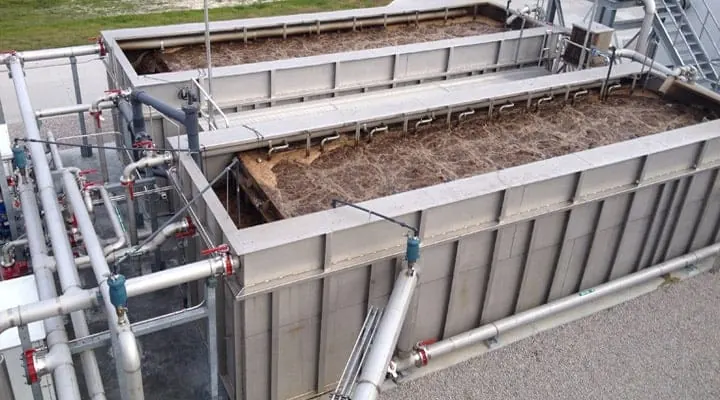
Our DAF systems remove suspended solids, fats, oils, grease and algae from water and wastewater. Pressurised, air-saturated water is released into the flotation tank, where fine microbubbles attach to particles and carry them to the surface for skimming. DAF suits low-density solids that settle poorly, and it takes up little space while delivering high removal rates.

cDAF for compact solutions

cDAF has lamella plates built into the flotation zone, so it handles much higher hydraulic loads in a very compact footprint. That makes it a good fit for space-limited sites and plant upgrades.

OpenDAF for high sludge loading

OpenDAF is a conventional open-tank flotation unit, robust and easy to access, for reliable removal of solids, fats and oils in municipal and industrial applications.

Flocculators 03

Flocculators

Flocculators gently mix coagulated water so small particles collide and form larger, heavier flocs that are easier to remove. Controlled mixing energy and retention time give strong floc formation without breaking flocs apart. They come in mechanical (paddle or vertical turbine) and hydraulic designs, and they improve the performance of the settling, flotation or filtration stage that follows.

TubeFloc

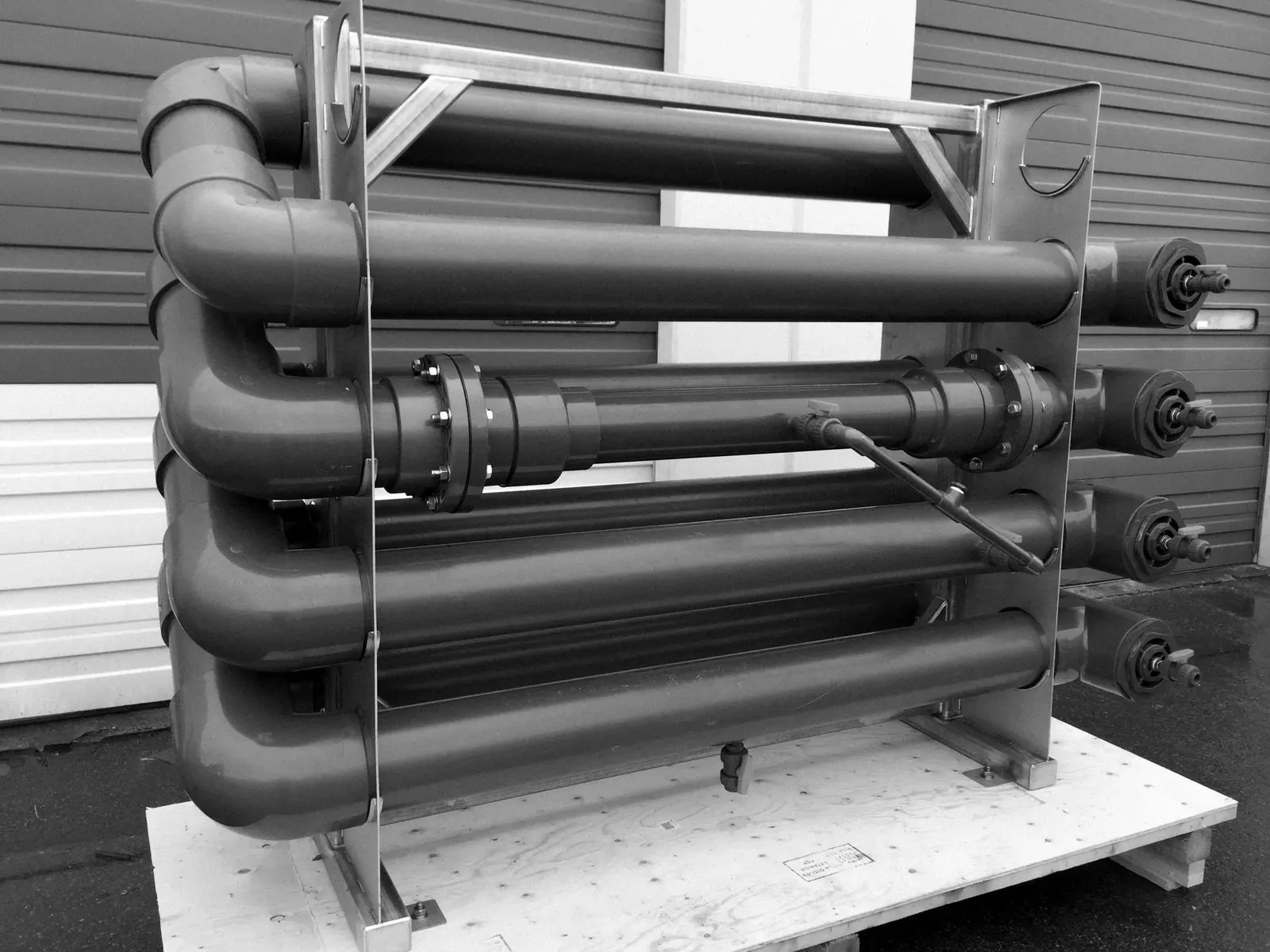
TubeFloc is an in-line pipe flocculator that uses controlled turbulence along the pipe to build strong flocs. It has no moving parts and takes up very little space, and it is typically installed ahead of DAF or settling units.

TubeFloc/AS

TubeFloc/AS is a pipe flocculator tailored to activated sludge. It conditions the sludge with polymer under optimised mixing ahead of thickening or flotation, which improves solids capture and reduces chemical use.

Flocculant Preparation Stations 04

Flocculant Preparation Stations

Automatic polymer make-down units that dissolve, mature and store flocculant solution at a consistent concentration.

Chemical Dosing Stations 05

Chemical Dosing Stations

Skid-mounted dosing systems with precise metering for coagulants, pH correction, nutrients and other process chemicals.

Biological Wastewater Treatment

Aerobic and membrane-assisted biological processes for organic matter and nutrient removal in industrial and municipal plants.

Conventional Activated Sludge (CAS) 01

Conventional Activated Sludge (CAS)

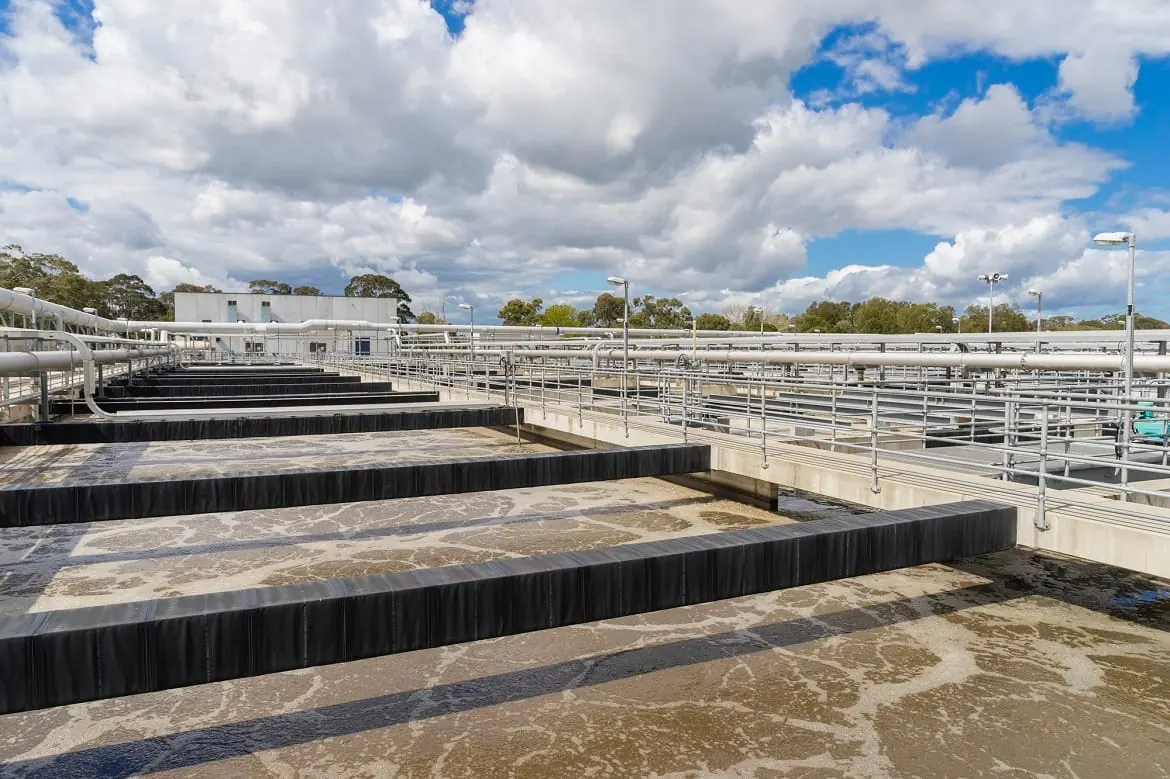
CAS is the proven standard for biological wastewater treatment. Wastewater flows continuously through aerated tanks, where microorganisms break down organic matter and nutrients, and secondary clarifiers then separate the treated water from the biomass. Configurations can include nitrification, denitrification and biological phosphorus removal, which makes CAS reliable and flexible for municipal and industrial plants of any size.

Moving Bed Biofilm Reactor (MBBR) 02

Moving Bed Biofilm Reactor (MBBR)

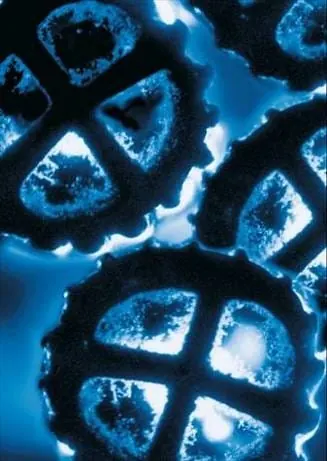
MBBR uses free-moving plastic carriers that give a large protected surface for biofilm growth. This allows high biological treatment capacity in a small reactor volume. The process resists load fluctuations, needs no sludge recirculation, and is well suited to new plants and to upgrading existing activated sludge plants without new tanks.

Sequencing Batch Reactor (SBR) 03

Sequencing Batch Reactor (SBR)

A fill-and-draw activated sludge process that carries out aeration, settling and decanting in a single tank in timed cycles — flexible, compact and well suited to variable loads.

Membrane Bioreactor (MBR) 04

Membrane Bioreactor (MBR)

MBR combines biological treatment with ultrafiltration or microfiltration membranes, which replace conventional clarifiers. The result is very high effluent quality, essentially free of suspended solids and bacteria, ready for reuse or discharge to sensitive receiving waters. High biomass concentrations keep the footprint small, so MBR suits space-limited sites and water reuse projects.

Aerobic Granular Sludge (AGS) 05

Aerobic Granular Sludge (AGS)

AGS uses dense, fast-settling microbial granules instead of conventional flocs, so a single reactor can remove organic matter, nitrogen and phosphorus at the same time. Because the granules settle so quickly, no separate clarifiers are needed. Compared with conventional activated sludge, AGS can cut footprint and energy use significantly, making it a modern, cost-effective option for new plants and expansions.

Anaerobic Membrane Bioreactor (AnMBR) 06

Anaerobic Membrane Bioreactor (AnMBR)

AnMBR combines anaerobic digestion with membrane separation to treat high-strength industrial wastewater efficiently. Organic pollutants are converted into biogas for energy recovery, while the membranes keep the biomass in the reactor and produce a solids-free effluent. AnMBR uses little energy and produces little sludge, which makes it a sustainable choice for food, beverage and other high-organic-load industries.

Anaerobic Technologies

High-rate anaerobic reactors that treat high-strength wastewater and turn organic load into biogas for energy recovery.

Upflow Anaerobic Sludge Blanket (UASB) 01

Upflow Anaerobic Sludge Blanket (UASB)

High-strength wastewater flows upward through a dense blanket of granular sludge, which converts the organic load into biogas.

Expanded Granular Sludge Bed (EGSB) 02

Expanded Granular Sludge Bed (EGSB)

Higher upflow velocities expand the granular sludge bed, allowing higher loading rates in a tall reactor with a small footprint.

Interflow Recirculation Column (IRC) 03

Interflow Recirculation Column (IRC)

A high-rate granular-sludge anaerobic column with internal recirculation, built for very high organic loads in a compact footprint.

Water Treatment Technologies

Filtration, ion exchange, membranes and disinfection for potable, process and reuse water.

Ion Exchangers (IX) 01

Ion Exchangers (IX)

Resin-based softening, dealkalization and demineralization for boiler feed, process and high-purity water.

Ultrafiltration and Reverse Osmosis (UF / RO) 02

Ultrafiltration and Reverse Osmosis (UF / RO)

Ultrafiltration removes particles, bacteria and colloids; reverse osmosis removes dissolved salts — together the core of modern desalination and reuse.

UV, Chlorine and Ozone Disinfection 03

UV, Chlorine and Ozone Disinfection

Disinfection matched to the application — chemical-free UV, chlorination with a lasting residual, or powerful ozone oxidation.

Let’s work together

Sustainable water & energy for the future — starting with your project.

From consulting and strategy development to implementation and support, our team is ready to offer the most efficient solution for your site.